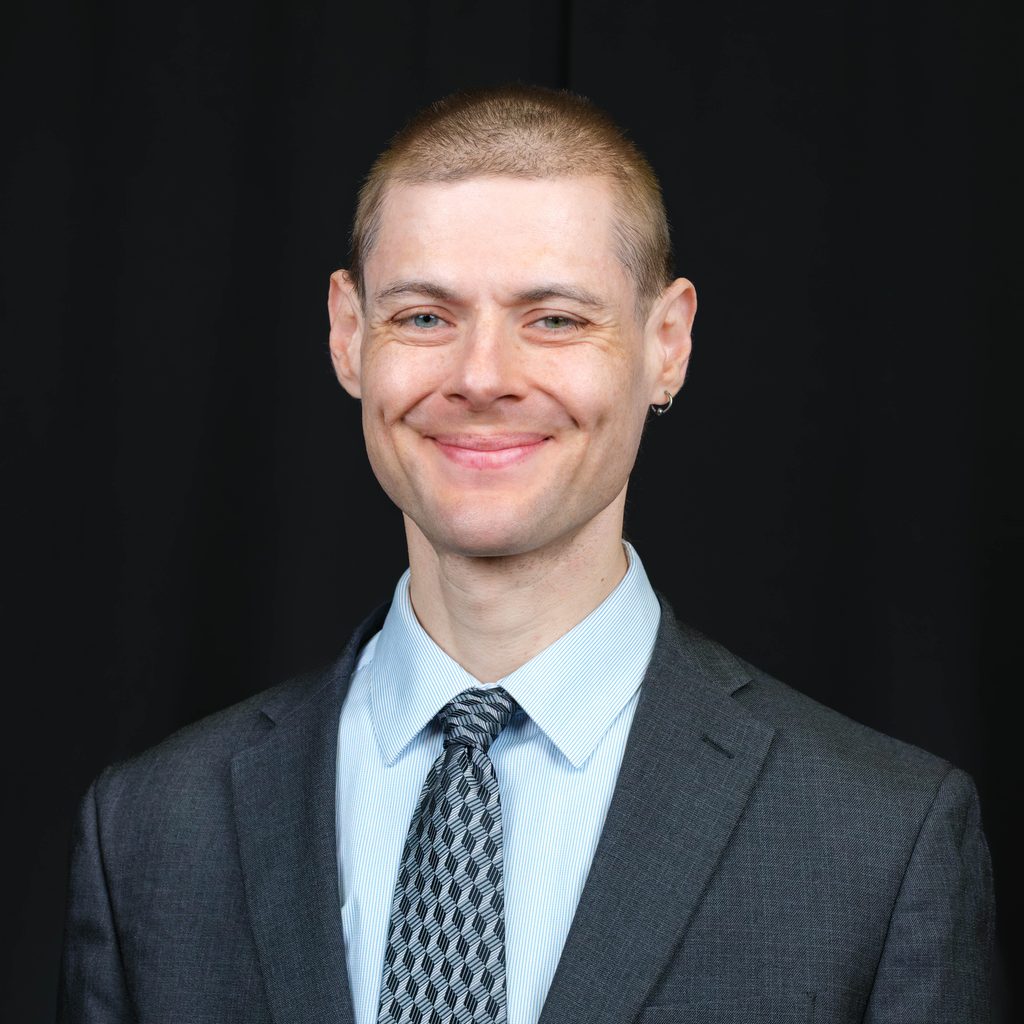
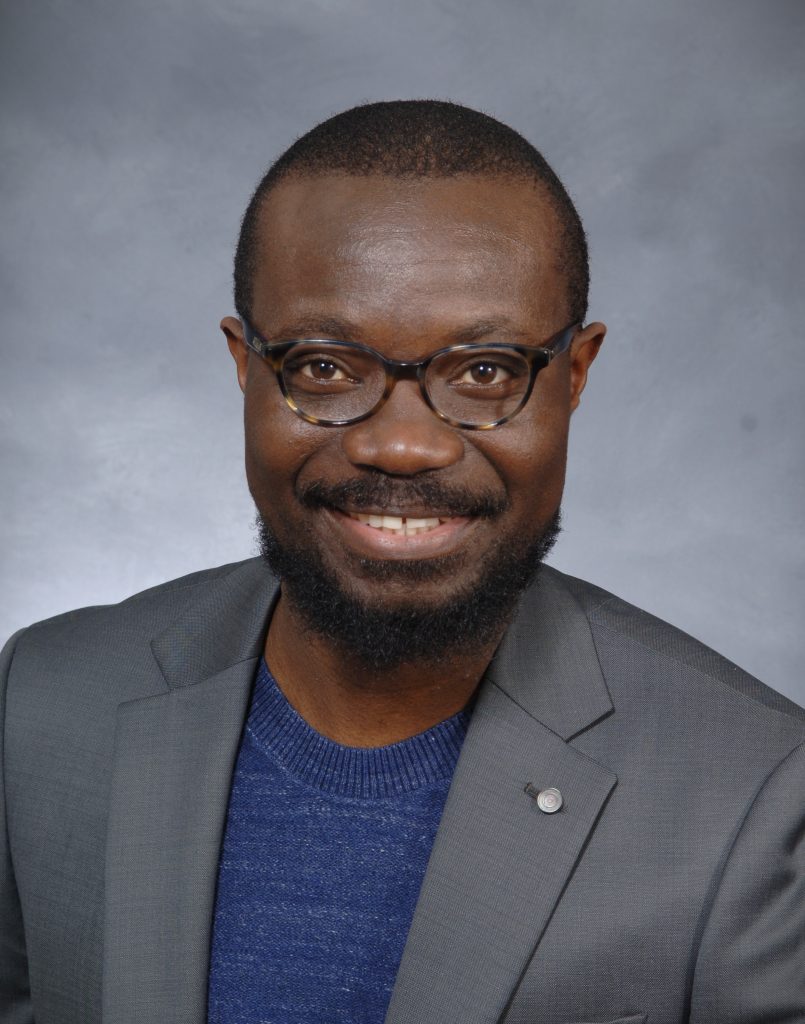
Masachs Boungou has one of the most remarkable personal histories you are likely to encounter. I’ve interviewed him, and recounted parts of that story, for my blog on June 14, 2024 (“Three Questions for Dr. Masachs Boungou, Author of The Power of Personal History: Turning one’s life tragedies into triumph,”) and October 16, 2024 (“Three (Additional) Questions for Dr. Masachs Boungou, Author of Personal Crisis: Building A Strong Leadership and Shaping Business Success.”)
If you have not yet read those posts, I believe you will find the interviews and backstories to be captivating. His work cuts across the worlds of business, international relations, academia, entrepreneurship, and self/professional development. I first met Masachs (virtually) at the Berrett-Koehler Bookplan 2024 Marketing Workshop, and have stayed in touch with him about his career and writing.
I’m now posting a third interview with Masachs, about his recent research article “Armed conflict as an entrepreneurial influence: how sub-Saharan African refugees leverage their personal negative experiences in entrepreneurial endeavors,” in Journal of Enterprising Communities: People and Places in the Global Economy, an Emerald publication.
Continued thanks to Masachs for answering my questions about his life and work.
For the non-specialist reader, how would you describe the research and findings in your article “Armed conflict as an entrepreneurial influence: how sub-Saharan African refugees leverage their personal negative experiences in entrepreneurial endeavors,” in Journal of Enterprising Communities: People and Places in the Global Economy?
In simple terms, my research explores how refugees from sub-Saharan Africa, who have experienced armed conflict, use those difficult personal experiences to become entrepreneurs. Instead of only seeing their past as a source of trauma or something that freezes them, many refugees draw on their experiences to identify business opportunities, build resilience and craft founding stories that instill a spirit of excellent organizational performance, and create livelihoods in their new environments.
We found that these individuals, shaped by the fire of lived histories, often develop unique entrepreneurial skills – such as adaptability, problem-solving, and resourcefulness – because of the hardships they’ve faced. These qualities enable them to start and run businesses, and often develop a unique entrepreneurial leadership. Rather than being passive victims of conflict, they actively shape their present and futures through entrepreneurship. This study highlights the conclusions of my research into two words: adversity catalysts. It catalyzes innovation. It catalyzes creativity. It catalyzes resilience. This study challenges common stereotypes by showing that human resilience and creativity by creating economic and social value even after having experienced adversities such as civil wars or genocide.
How does this research and writing tie in with your earlier work and research, as well as the day-to-day work and teaching you have done over the years?
This research builds directly on my longstanding interest in the human side of entrepreneurship. In my earlier work, I’ve explored how marginalized or underrepresented groups – particularly in developing and developed contexts – engage in entrepreneurial activity as a means of personal agency, and community development. The current study extends this focus by examining how personal negative experiences, like civil wars and genocide, unexpectedly foster entrepreneurial capabilities. Yes, ‘‘unexpectedly,’’ because the universal narrative is that these experiences hinder creativity, innovation, and enterprise as they drive people into depression and trauma.
In my day-to-day work and teaching, I often emphasize the importance of understanding entrepreneurship beyond the profits and business plans, but on the drives creating new ventures –something more internal, more personal, more intimate. This research aligns with that perspective, as it encourages students and practitioners to look beyond conventional narrative of entrepreneurship and consider creating driven-mission, sustainable, and community-focused ventures.
It also enriches my teaching by allowing me to bring real-world, research-based insights into the classroom – challenging students to think critically about entrepreneurship in diverse cultural, social, and political settings.
You have written books in recent years about your own personal history, and how that history informs your current work. Are there elements of your findings for the new article that hold similarities or commonalities with your own life, either in Africa or the United States?
There are strong parallels between the findings in this article and my own life journey, both in Africa and in the United States. Having experienced the 1999 civil war in the Republic of the Congo and the challenges of navigating unfamiliar environments, I deeply relate to the sense of adaptation, and resilience that many refugees in the study described. Like them, I have had to learn how to rebuild, find opportunities in uncertainty, and use adversity as a catalyst for personal and professional growth.
This personal history gives me a unique lens through which I approach my research. It’s not just academic; it’s also grounded in lived experience. I understand, on a personal level, how hardship fuels entrepreneurial thinking, and personal initiative not only as a way to survive but also as a way to reclaim agency, shape one’s future, and thrive.
Writing this article was, in some ways, a continuation of the themes I’ve explored in my books: how identity, personal negative experiences, and resilience intersect with purpose, mission, and innovation. So yes, while the research is about others, it also reflects human resilience and innovation that defines each of us in their unique way.