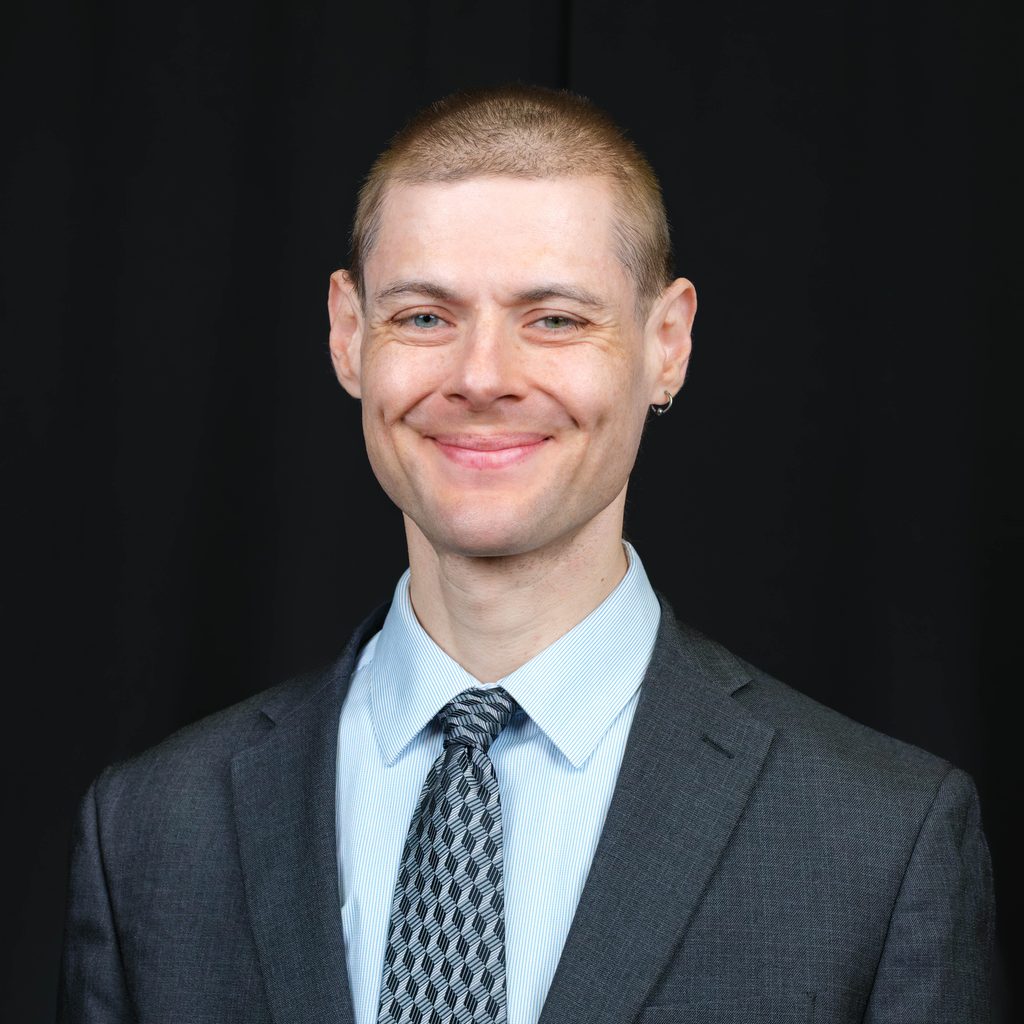
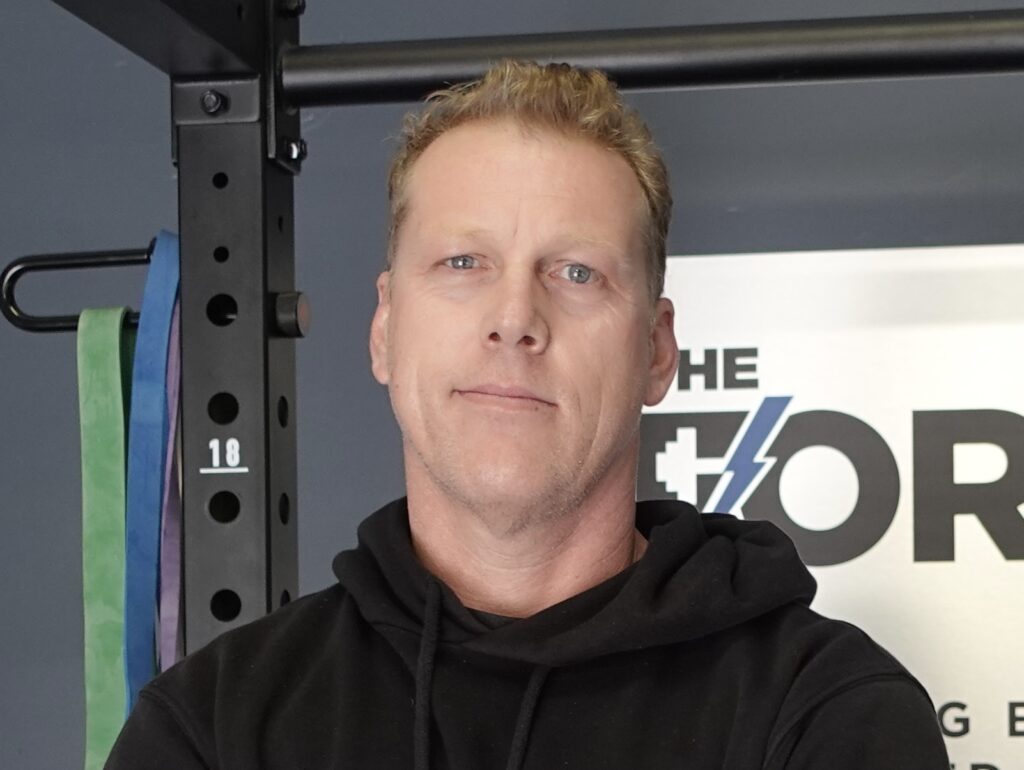
Thriving in the second half of life can be easier if our bodies are functioning well. Randy Ehrler is a “movement specialist” based in Chapel Hill, North Carolina, whose clients are in the 40-80 age range. He calls his approach to how he works with his clients The Living Well Blueprint. That is also the title of his LinkedIn newsletter, “a bi-weekly guide to rethinking health, building lasting strength, and aging with purpose.”
I was intrigued that he specialized in working with people ages 40-80. In one of his LinkedIn posts from 2025, he writes: “I’m building a future that helps others connect fitness with life, with identity, and with possibility.” And in another post from last year: “If we can shift how we think about fitness, from performance to possibility, we can reshape the entire second half of our lives.”
I’m grateful to Randy for answering my questions about his work with clients, especially his specific target age group, and how this work relates to his own life.
For the non-specialist reader, how would you characterize the nature of your work and how it fits together holistically in your total life?
At its core, I help people in their 40’s, 50s, 60s, and 70s build bodies that will actually serve them well for decades to come. That sounds simple, but it runs counter to a lot of what passes for fitness culture. Most of the industry is obsessed with performance metrics, aesthetics, and what I’d call “bro science,” approaches that work fine at 28 and break you down at 58. My work starts from a different question entirely: what does a body need to remain capable, fluid, and resilient into its 80s and 90s? That shapes everything: how I design programs, how I talk with clients, even how I think about my own training.
It fits into my life because I genuinely live this philosophy. I’m not selling something I don’t believe in. I think a lot about what aging is for, not as decline to be managed, but as a stage of life with its own integrity and possibilities. My work and my inner life are really asking the same question from different angles.
You seem to have a very specific professional niche. How did this come about?
Honestly, it emerged from paying attention. When I looked at the clients who needed the most help, and who were most underserved by conventional fitness, it was consistently people in the second half of life. They’d often spent decades either not exercising, or exercising in ways that accumulated damage rather than resilience. And they were being handed programs designed for younger bodies, just scaled down slightly.
I also noticed that this population responds extraordinarily well when the approach is right. They’re motivated, they’re thoughtful, they actually want to understand what they’re doing and why. That’s deeply satisfying to work with. The niche didn’t feel like a strategic choice so much as the natural convergence of where I could do the most good and where I found the work most meaningful.
What level of movement awareness do you think people generally have, especially those in the second half of life?
Very low, and through no fault of their own. Most people have a binary relationship with their body; it either feels fine or it hurts. The rich middle ground of movement quality, of how fluidly and efficiently you’re actually moving through the world, is almost completely invisible to them. They don’t notice that they’ve gradually stopped rotating through their spine, or that they’re loading one hip unevenly, until something breaks down.
What’s particularly striking in the 50-plus population is that many compensations have been accumulating for twenty or thirty years. They feel normal. The body has reorganized itself around them so completely that people often can’t feel what they’ve lost. Part of my job is simply helping people perceive what’s actually happening in their own bodies, which turns out to be a profound thing, not just a technical one.
Randy also offers this final thought:
One thing I’d add that doesn’t fit neatly into any of those questions: the fitness industry has done people in this age group a quiet disservice by framing everything around prevention, preventing falls, preventing decline, preventing loss. That framing has a psychological cost. Fear of frailty produces physical timidity, and people become overly cautious at precisely the moment they need to be learning to trust their bodies again. I’d rather help someone build toward something, not “I want to avoid falling,” but “I want to hike that trail with my grandchildren.” My clients aren’t in training to survive aging. They’re in training to live well inside it. That’s a completely different project, and it changes everything about how we work together.