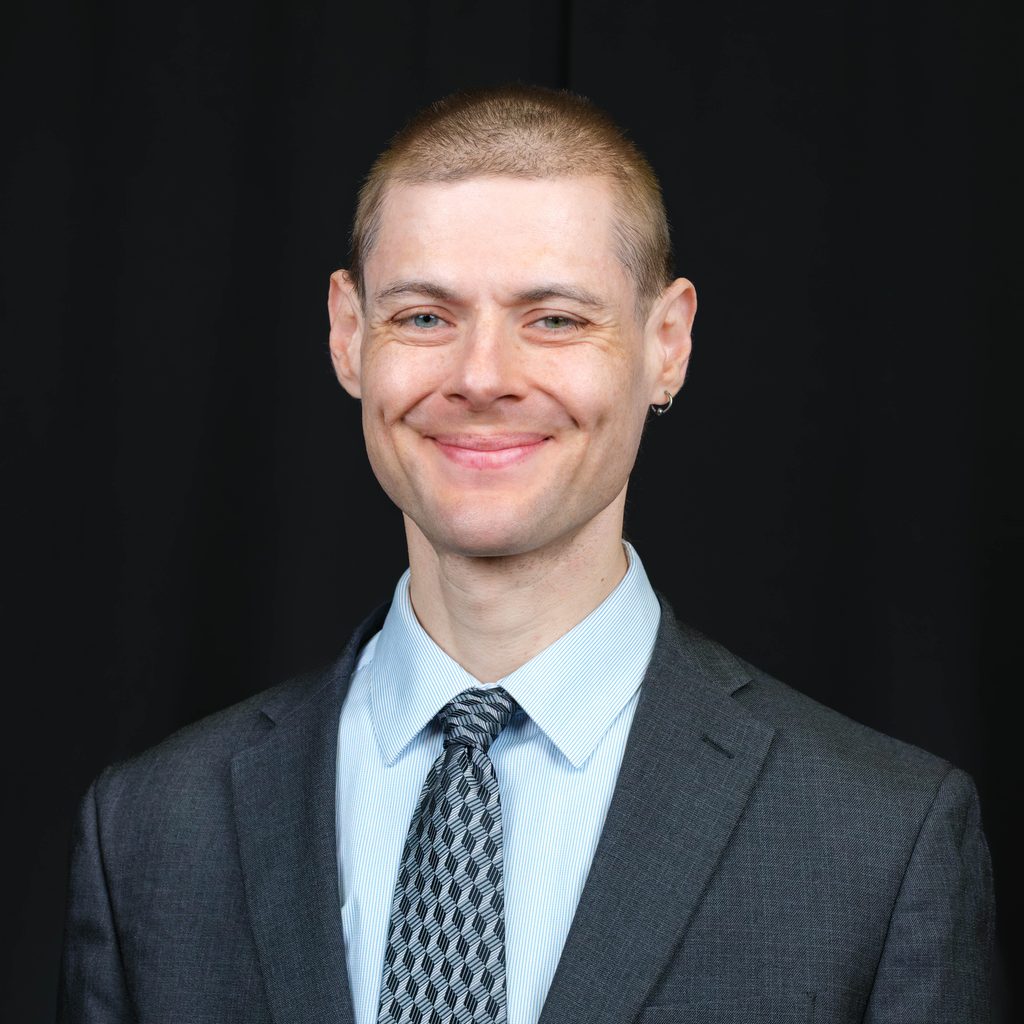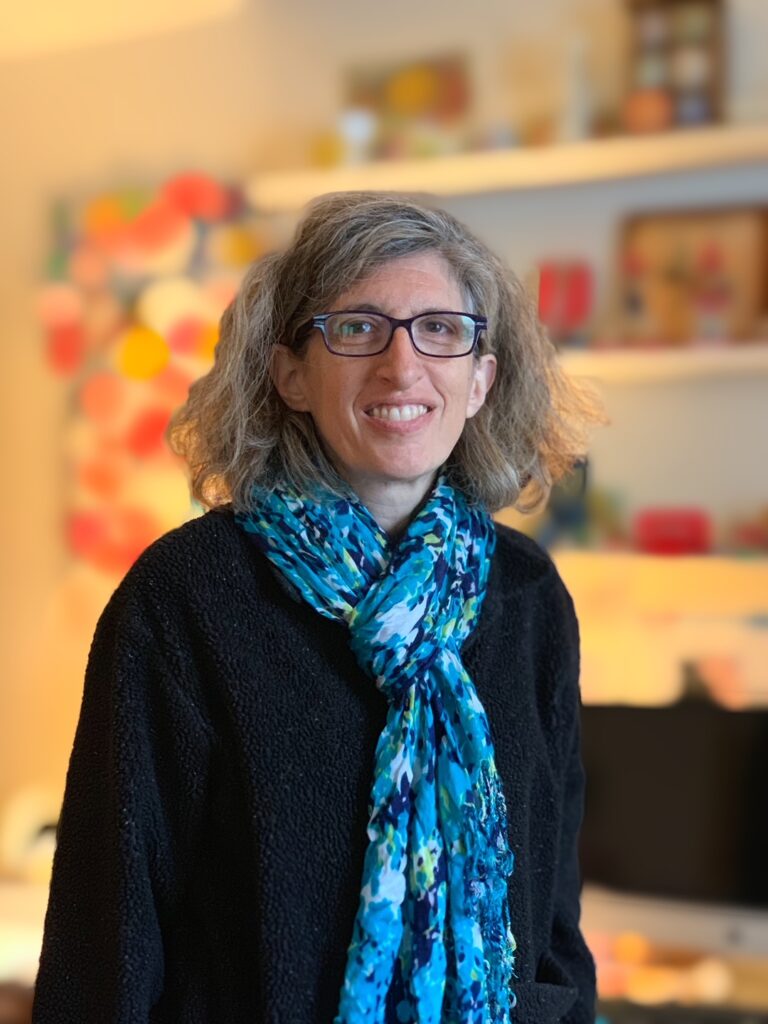
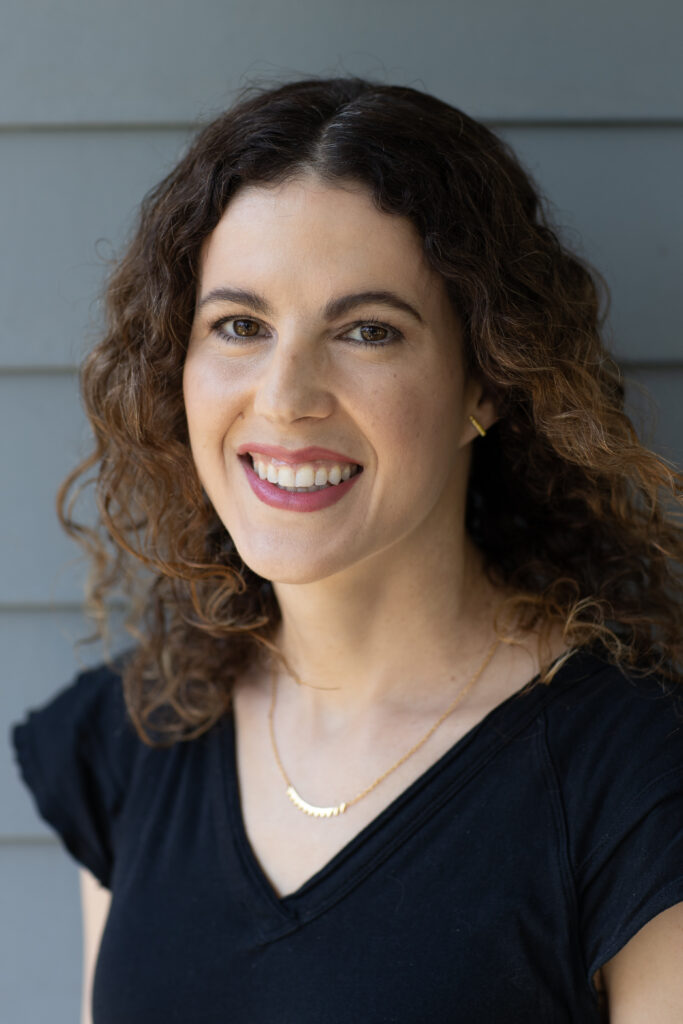
I first met the Washington, D.C.-based author Lauren D. Woods in February, when she was a panelist (“Working with Small Presses and Lit Mags”) for the terrific Publish Now! one-day conference at the Writer’s Center, in Bethesda, Maryland, near where I live. Lauren is married to the author Andrew Bertaina, whom I interviewed for my blog the month before.
Lauren’s varied literary career has attracted attention locally and beyond during the past several years. Another DC-area writer, Caroline Bock, author of the recent novel The Other Beautiful People, interviewed Lauren and Andrew together last year, “A Dynamic Duo: Meet the powerhouse literary couple behind Night Ginkgo Press,” in Washington Independent Review of Books. Lauren, a native Texan, was interviewed and profiled by The Daily Texan last year: “Q&A: Author, alumna Lauren Woods talks new book ‘The Great Grown-up Game of Make-Believe.’”
In addition, she’s written for the prestigious site Literary Hub, (“The Case Against Critical Feedback: Lauren D. Woods on Recapturing the Joy of Writing”) and is the winner of the 2024 Autumn House Fiction Prize (selected by Kristen Arnett). In late 2025, the Pittsburgh-based Autumn House published her story collectionThe Great Grown-Up Game of Make-Believe. I’m grateful to Lauren for answering my questions about her career, her writing, and her intriguing LitBox endeavor.
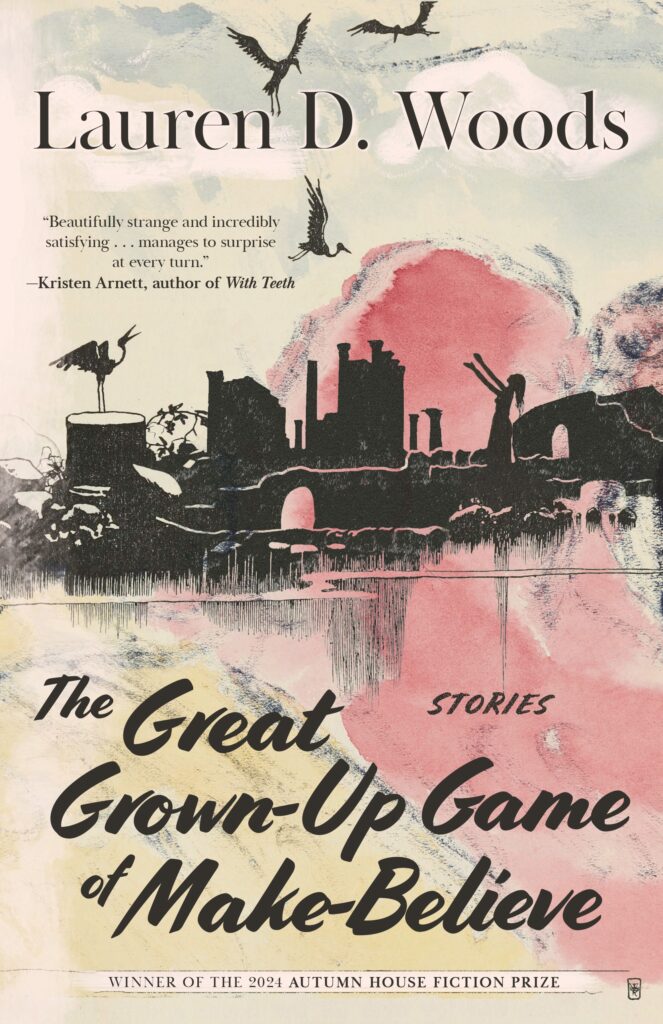
Earlier this year, you won the Sergio Troncoso Award for Best First Book of Fiction from the Texas Institute of Letters, for your book of short stories The Great Grown-Up Game of Make-Believe. Can you elaborate on the special meaning that award holds for you?
It was thrilling to win the prize, particularly as a small press author where distribution is more limited, and as a short story writer, because short stories often aren’t marketed as heavily. I happen to be a huge advocate of smaller presses, and not just because I’m on one. I think they’re doing some of the most exciting work out there, so when smaller press books like mine win prizes, it feels validating. It was also such an honor to meet Sergio, who grew up in El Paso, found his way as a writer, and is now giving back in a huge way. I love to see successful writers reaching back to others, and it’s important for every place, including Texas, to have a deep literary culture. I grew up in Texas, from the time I was 4 until I was 22 and out of college, so the state has a special meaning to me. My parents and brother still live there, so it’s always been my home base. I’ve now lived outside of Texas longer than I lived there, but let’s not think about that.
Can you explain in brief your LitBox endeavor, including any new developments?
LitBox, my DC book vending machine, also comes out of my love for the small press book. I have a lot of friends with beautiful, award-winning books that aren’t carried in the big box bookstores. It’s no secret that publishing prioritizes profit above all else. I wanted to create a tiny space that prioritized literary excellence and local authors over profit. Even though each book vending machine only holds 23 titles at a time, that’s 23 more titles getting exposure than otherwise would be the case. My first LitBox location opened in May 2025 in Western Market in Foggy Bottom, in the George Washington University area. I fundraised for that one all from a Kickstarter campaign. I was lucky to get partial funding for the second one from the DC Commission on Arts and Humanities, and I’m about to sign the contract for my second location in Southeast DC. Assuming all goes well, we’ll launch it before the end of the year.
It’s super-interesting that you have a foreign policy background, and that you recently taught an online class, “Fiction on Foreign Policy and Conflict.” Can you describe the course, and how its contents relate to your own life and experience?
I love foreign policy and have worked in it for my day job for over 20 years. In particular, I’m interested in the ethics and in the roles of writers in capturing moments in history through art. This course was divided into sessions on classical stories, contemporary stories, and experimental stories. It was fun to teach Hemingway’s depiction of a soldier returning from the First World War, and then follow that up with a Phil Klay story of a soldier coming home, but with totally different styles. I’m also a huge fan of experimental stories. In the 1960s with the threat of nuclear war, you had all of these stories talking about the absurdity in the world in really wild ways. Vonnegut, Barthelme, and others were just looking at the world and sort of making fun of how we’re willing to destroy ourselves. My second collection of stories, which I recently completed, is working in this vein, and I’m hopeful that it will in some small way capture the spirit of all of the writers I admire who have inspired me.